
In British Columbia (BC), whether you need a permit to install a fence depends on several factors, including the location, height, and type of fence, as well as local municipal bylaws. Here’s a general guide to help you determine if you need a permit.
1. Check Local Municipal Bylaws
- Each municipality in BC has its own rules and regulations regarding fences. For example:
- City of Vancouver: Fences under 1.2 meters (4 feet) in height typically do not require a permit, but taller fences may need one.
- City of Victoria: Fences up to 2 meters (6.5 feet) in height are generally allowed without a permit, but there are restrictions on materials and location.
- Surrey: Fences up to 1.2 meters (4 feet) in the front yard and 2 meters (6.5 feet) in the rear yard usually do not require a permit.
- Action: Contact your local city or municipal office or visit their website to review the specific bylaws for your area.
2. Height Restrictions
- Most municipalities in BC have height restrictions for fences:
- Front Yard: Typically, fences in the front yard must be shorter (e.g., 1.2 meters or 4 feet).
- Rear and Side Yards: Fences in these areas can often be taller (e.g., 2 meters or 6.5 feet).
- If your fence exceeds the height limits, you may need a permit.
3. Location of the Fence
- Property Lines: Ensure your fence is built within your property boundaries. If it encroaches on a neighbor’s property or public land, you may face legal issues.
- Corner Lots: Fences on corner lots may have additional restrictions to ensure visibility for drivers and pedestrians.
- Utility Easements: If your fence is near utility lines or easements, you may need approval from the utility company or municipality.
4. Type of Fence
- Some municipalities regulate the materials and design of fences. For example:
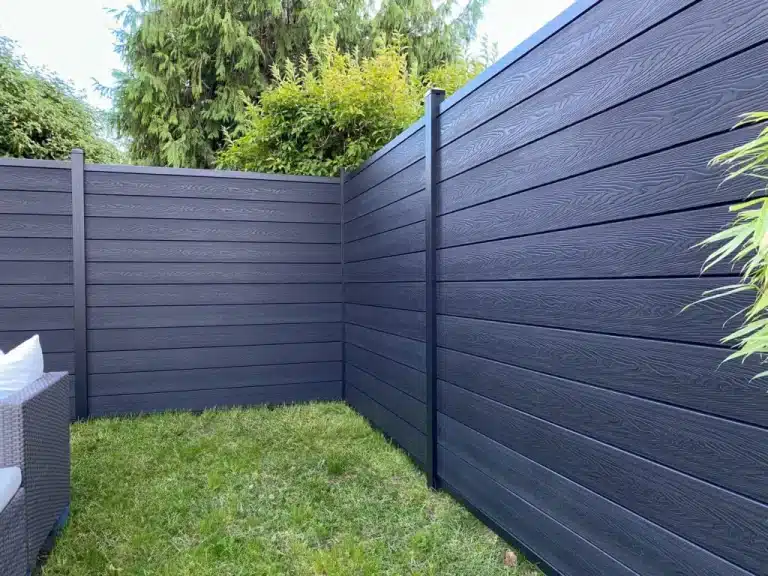
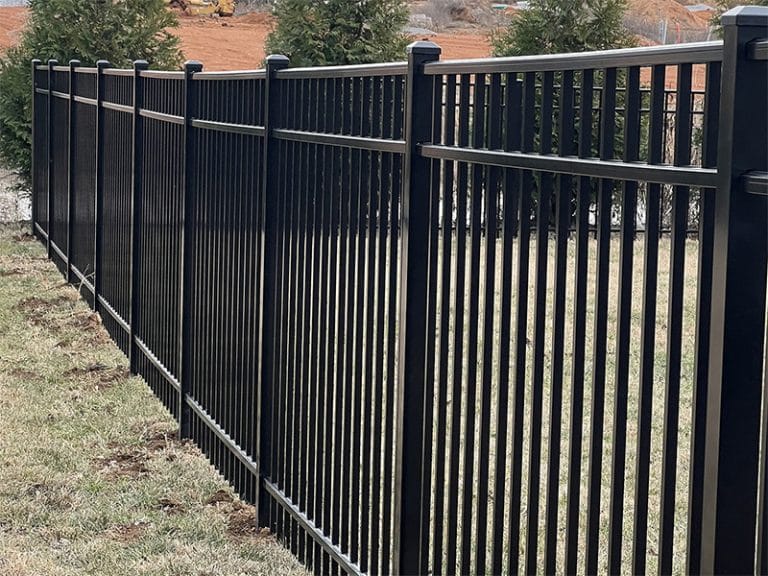
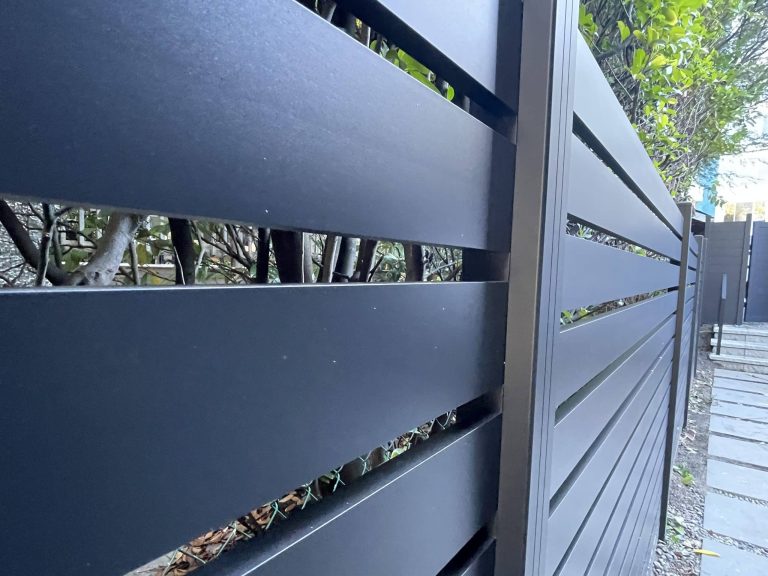
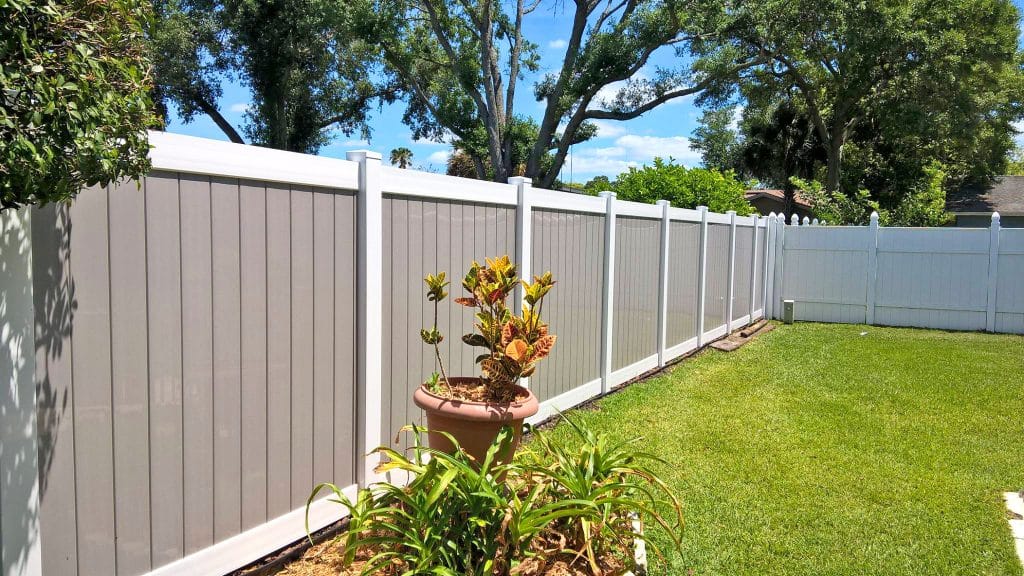
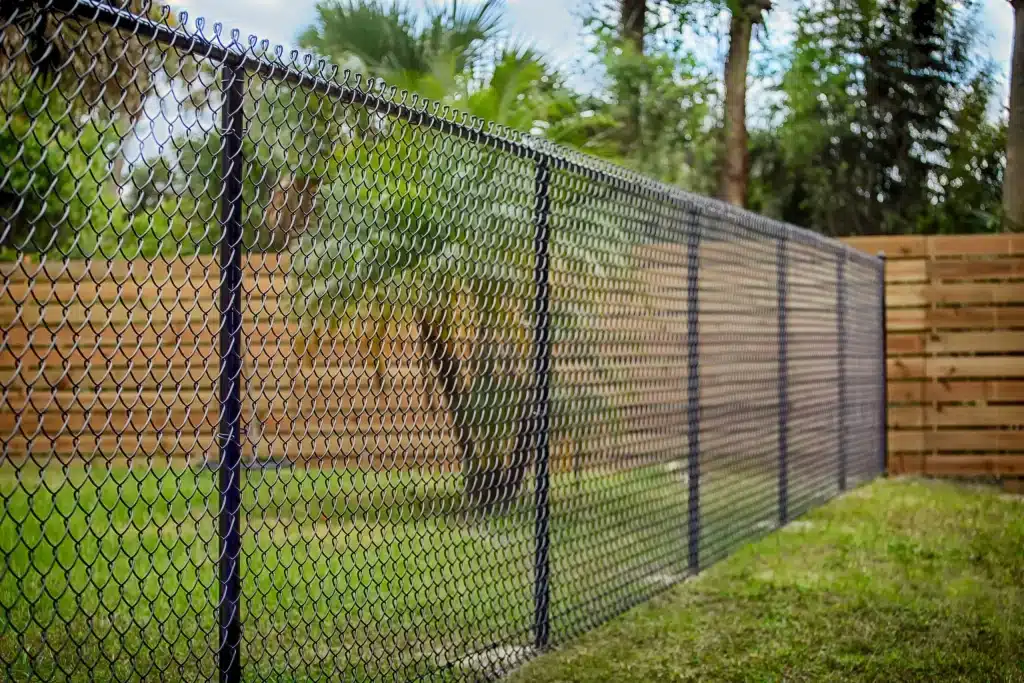
- Solid fences (e.g., wood or vinyl) may have different rules compared to chain-link or ornamental fences.
- Fences with sharp or hazardous features may require special approval.
5. Homeowner Associations (HOAs)
- If you live in a community with a homeowner association (HOA), there may be additional rules or restrictions on fence installation. Check your HOA guidelines before proceeding.
6. When a Permit is Likely Required
- Fences taller than the allowed height limit.
- Fences in front yards exceeding the maximum height.
- Fences near property lines, sidewalks, or roads.
- Fences in heritage districts or areas with special zoning requirements.
7. How to Apply for a Permit

- If a permit is required, you’ll need to submit an application to your local municipality. This typically includes:
- A site plan showing the fence location and dimensions.
- Details about the fence materials and design.
- Payment of a permit fee.
- The municipality will review your application to ensure compliance with local bylaws.
8. Penalties for Non-Compliance
- Building a fence without a required permit or violating local bylaws can result in fines, orders to modify or remove the fence, or legal disputes with neighbors.
Summary
- No Permit Needed: For most residential fences under 1.2 meters (4 feet) in the front yard and 2 meters (6.5 feet) in the rear yard.
- Permit Likely Needed: For taller fences, fences in restricted areas, or fences that don’t comply with local bylaws.
- Action: Always check with your local municipality or city planning department before installing a fence.