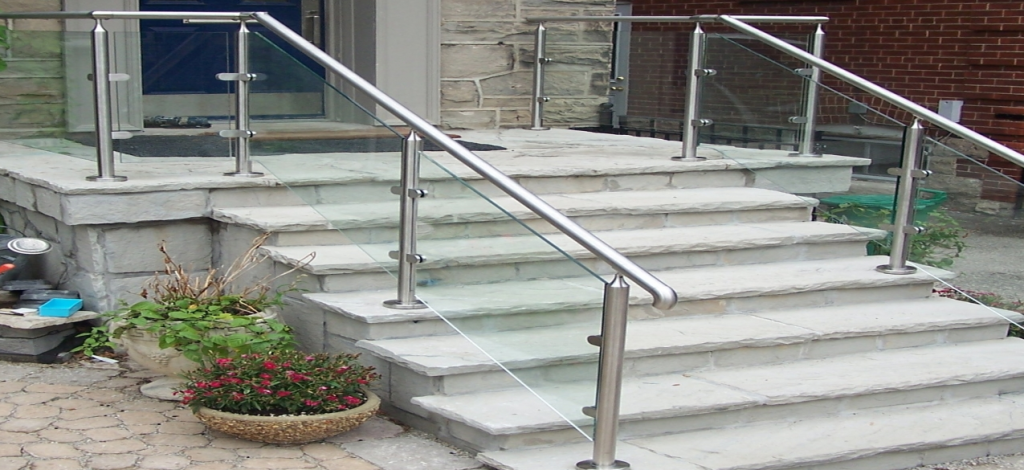
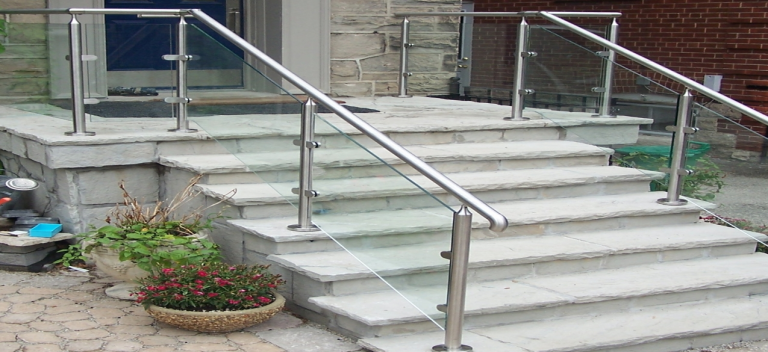
Glass stair railings are safe when designed, installed, and maintained correctly. They are commonly used in modern homes, offices, and commercial spaces due to their sleek, minimalist look. Here’s why they are considered safe.
Are Glass Stair Railings Safe?
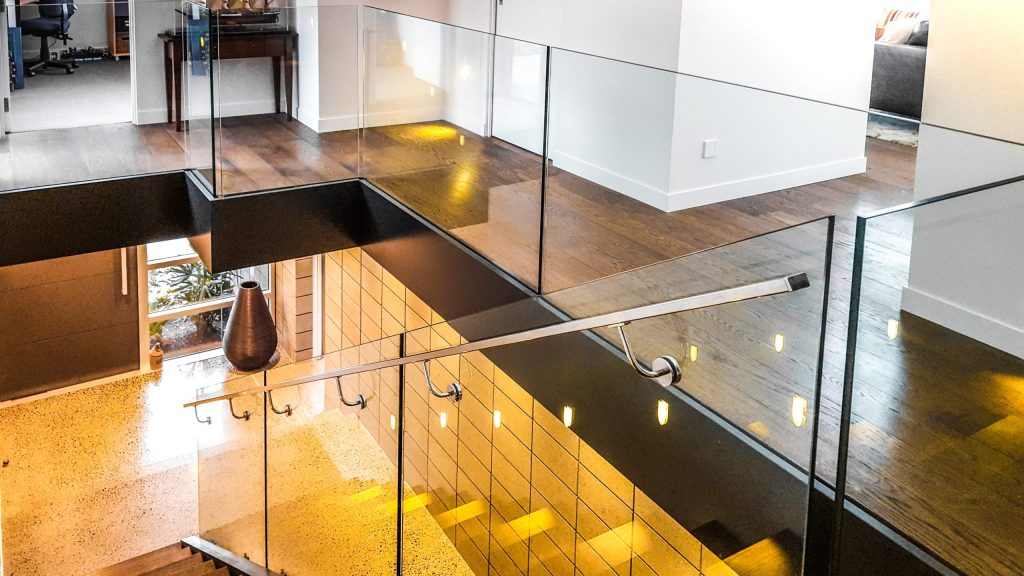
1. High-Quality Materials
-
Tempered Glass: Most glass railings use tempered glass, which is 4–5 times stronger than regular glass. If broken, it shatters into small, dull pieces (instead of sharp shards) to reduce injury risk.
-
Laminated Glass: Some high-end railings use laminated glass, which has a PVB interlayer to hold broken glass in place, further enhancing safety.
2. Strong Structural Support
-
Glass panels are secured with:
-
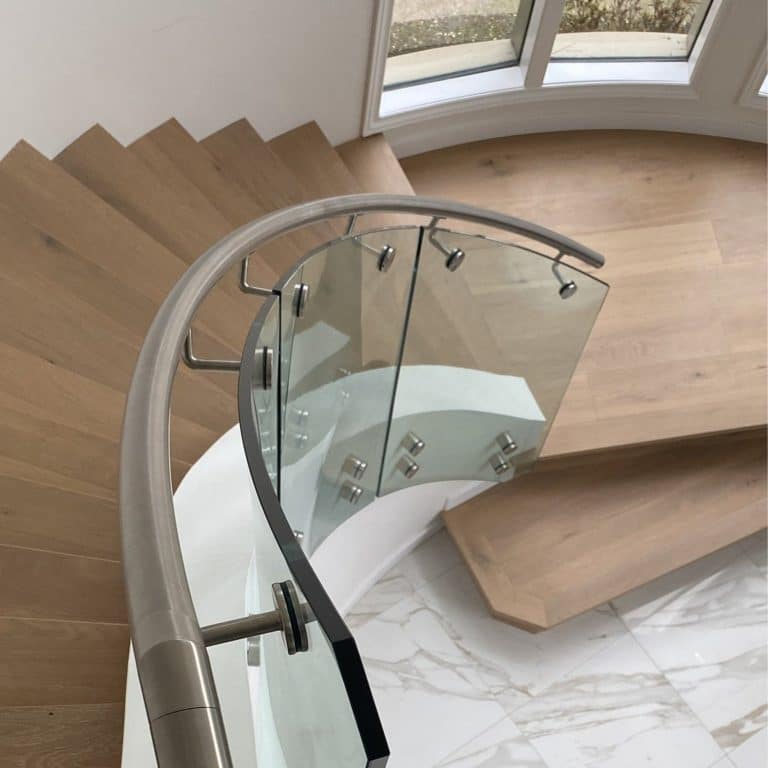
Clamp systems (standoff fittings)
-
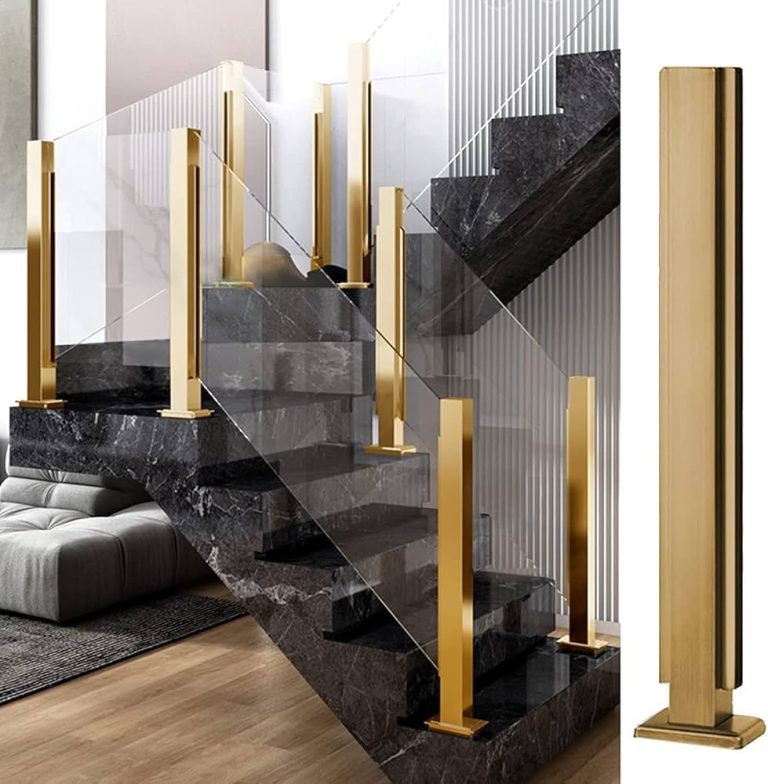
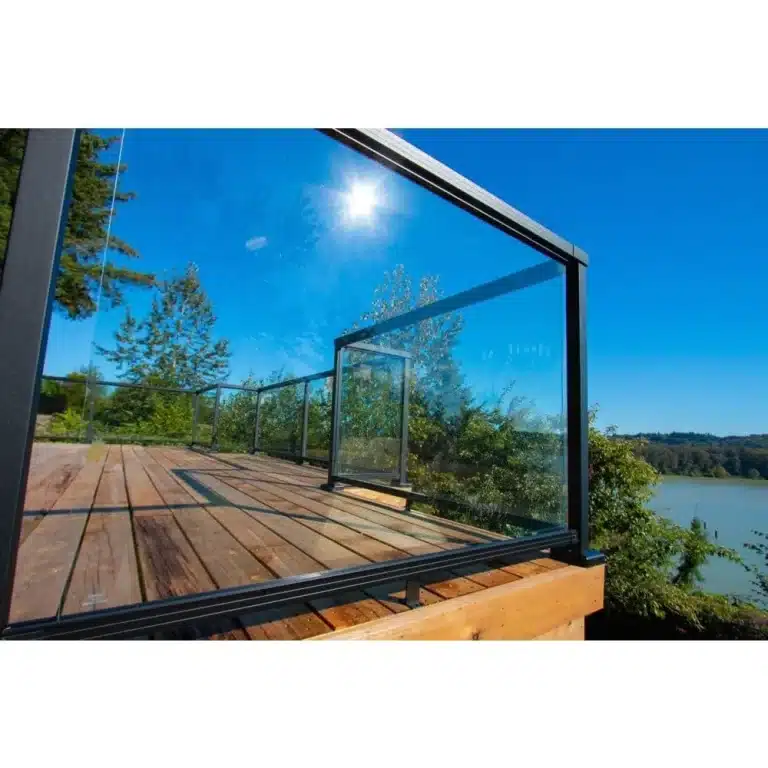
Channels (U-shaped metal frames)
-
Glass-to-glass connectors (for frameless designs)
-
-
Properly installed railings can withstand significant force (meeting building codes for handrail strength).
3. Building Code Compliance
-
Glass railings must meet local building codes (e.g., IRC, IBC, OSHA) for:
-
Height (usually 34–42 inches for residential, 42 inches for commercial).
-
Load resistance (typically 50 lbs per linear foot for handrails).
-
Spacing (no gaps larger than 4 inches to prevent child entrapment).
-
4. Safety Features
-
Frosted or textured glass improves grip and reduces slipperiness.
-
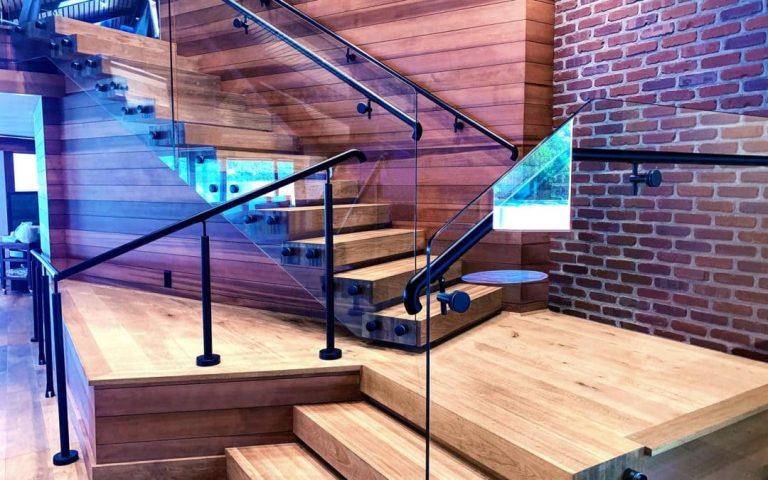
Metal or wooden handrails on top provide extra stability.
-
Regular maintenance (checking for cracks, loose fittings) ensures long-term safety.
Potential Concerns & Solutions
-
Slipperiness: Use textured or frosted glass for better grip.
-
Visibility: Some people (especially kids or pets) might not see clear glass—consider sandblasted designs or decorative films.
-
Impact Resistance: Tempered glass is strong, but extreme force can break it. In high-traffic areas, thicker glass (12mm+) or laminated glass is recommended.
Conclusion
Glass stair railings are safe and durable when installed professionally and maintained properly. They offer a modern, open aesthetic while meeting safety standards. If you’re considering them, ensure they comply with local building codes and choose high-quality materials for optimal safety.