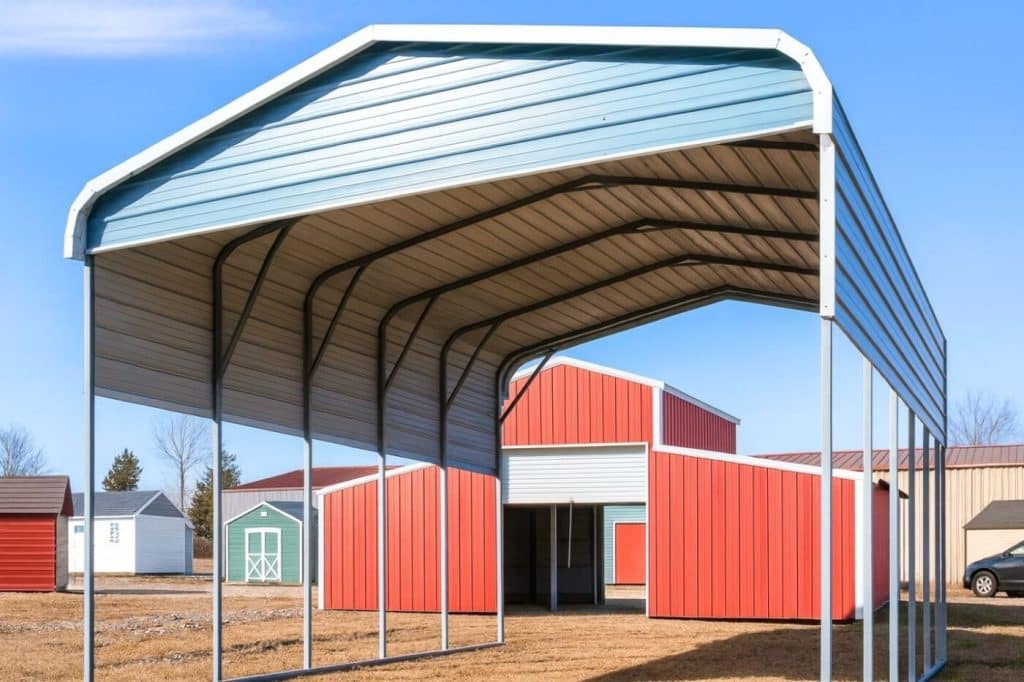
Dreaming of a sturdy, low-maintenance metal carport to protect your vehicle from BC’s rainy seasons? You’re making a smart investment. However, the journey from purchase to installation hits a major roadblock for many homeowners: the building permit. Navigating municipal bylaws can be confusing, and even a small oversight can lead to costly delays, fines, or being forced to dismantle your new structure.
This guide will walk you through the most common carport permit mistakes specific to British Columbia and, crucially, how to avoid them. We’ll focus specifically on the requirements for durable metal carports , ensuring you’re equipped with the right knowledge for a smooth approval process.
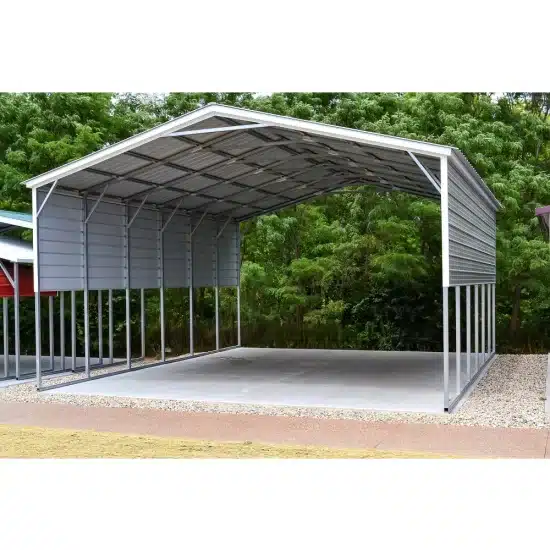
Why You Absolutely Need a Permit for Your Metal Carport
Many homeowners operate under the misconception that a “non-permanent” or “pre-fabricated” metal carport doesn’t require a permit. This is one of the costliest mistakes you can make. In nearly all municipalities across BC, a carport is considered a structure that alters the footprint of your property. Permits exist to ensure:
-
Structural Safety: That the carport can withstand snow loads, wind loads, and seismic activity.
-
Zoning Compliance: That it adheres to property line setbacks, height restrictions, and coverage limits.
-
Public Safety: That it doesn’t obstruct sightlines or create other hazards.
Skipping the permit process risks a Stop Work Order, fines, and complications when you sell your home.
Mistake #1: Not Verifying Zoning Bylaws & Setback Requirements
The Problem: The most frequent error is assuming your property has enough space without checking the specific zoning bylaws for your city. Setbacks—the minimum required distance between your carport and the front, side, and rear property lines—vary significantly between municipalities like Langley, Coquitlam, North Vancouver, and West Vancouver.
How to Avoid It:
-
Contact Your Local Building Department: This is your first and most important step. Visit your city’s website or call them directly.
-
Request a Property Survey: If you don’t have one, a recent survey will clearly show your property lines and existing structures. This is invaluable for planning.
-
Understand Your Zoning: Ask for the specific bylaws for your property’s zone (e.g., RS-1, RT-2). Pay close attention to maximum site coverage, which limits how much of your lot can be covered by buildings and structures.
Mistake #2: Underestimating Snow and Wind Load Calculations
The Problem: A flimsy, store-bought metal carport kit might not be engineered for the specific climatic demands of your region. The snow load in Coquitlam is different from that in North Vancouver. Using a structure rated for a lower load is a severe safety risk and a guaranteed permit rejection.
How to Avoid It:
-
Hire a Professional Engineer: For a seamless permit application, you need certified engineering drawings. A professional engineer will design or certify your metal carport’s frame and foundation to meet the BC Building Code’s specific snow, wind, and seismic requirements for your location.
-
Choose a Reputable Supplier: Work with a company that provides engineer-stamped drawings with their structures, specifically designed for BC’s codes.
Mistake #3: Ignoring Drainage and Site Grading Plans
The Problem: Adding an impermeable surface like a concrete pad for your carport changes how water drains on your property. Municipalities are keenly aware of flooding risks and will require a plan to ensure you aren’t diverting water onto your neighbour’s property or overloading the municipal system.
How to Avoid It:
-
Submit a Site Plan: Your permit application should include a detailed site plan showing existing and proposed grades.
-
Incorporate Drainage Solutions: This often means directing runoff to a storm sewer, a dry well, or a permeable area on your property. Simply sloping the concrete pad appropriately is a start, but you may need to specify additional drainage systems.
Mistake #4: Overlooking Aesthetic & Design Guidelines
The Problem: Especially in communities with strict design guidelines—common in West Vancouver and North Vancouver—the appearance of your carport matters. The municipality may have requirements for colour, roofing style, and overall design to maintain community character.
How to Avoid It:
-
Review Community Design Guidelines: Check your city’s website for any Residential Design Guidelines or specific bylaws for accessory structures.
-
Choose a Complementary Design: Select a metal carport with a roofline and colour that complements your home. A modern, powder-coated steel carport often gains more favour than a generic, corrugated metal box.
Mistake #5: Incomplete or Incorrect Application Packages
The Problem: A permit application is more than just a form. Submitting an incomplete package—missing site plans, engineering drawings, or property owner details—will land your application at the bottom of the pile, adding weeks of delay.
How to Avoid It:
-
Use the Municipality’s Checklist: Most building departments provide a detailed checklist for accessory structure permits. Use it!
-
Double-Check Everything: Before submitting, ensure all fields are filled, all required drawings are included, and all supporting documents are attached. When in doubt, call and ask.
Your Secret Weapon for a Flawless Permit & Installation
Navigating these requirements can feel overwhelming. That’s where partnering with a local expert makes all the difference. Instead of tackling the engineering, design, and municipal red tape alone, work with a company that handles it for you.
For homeowners in the Lower Mainland, Cypress Railings and Gates is your trusted partner for metal carports and carports. We go beyond simple installation; we provide a turnkey service.
Why choose Cypress Railings and Gates for your metal carport in Langley, North Vancouver, West Vancouver, Coquitlam, and New Westminster?
-
Local Knowledge: We understand the specific permit requirements and design guidelines for each municipality we serve.
-
Engineering Expertise: Our metal carports are designed with engineer-stamped drawings to meet BC Building Code standards, making your permit approval process smooth and predictable.
-
Premium Materials: We use high-quality, powder-coated steel for a durable, rust-resistant, and aesthetically pleasing finish that complements your home.
-
Turnkey Service: From the initial consultation and site measurement to handling the permit application and professional installation, we manage the entire project.
Don’t let permit anxiety delay your project. Contact Cypress Railings and Gates today for a free, no-obligation quote on a custom metal carport designed for your home and guaranteed to meet your local bylaws.
Frequently Asked Questions (FAQ)
1. Do I always need a permit for a metal carport in BC?
Yes, in almost all cases. While bylaws can vary, a permanent structure like a carport that covers a vehicle almost always requires a building permit to ensure it is safe and complies with zoning regulations. Always check with your local municipal building department.
2. How long does the permit process typically take?
The timeline varies by municipality but can range from a few weeks to several months. Having a complete and professionally prepared application, like those provided by Cypress Railings and Gates, significantly speeds up the process by avoiding review comments and resubmissions.
3. My neighbour didn’t get a permit for their carport. Why should I?
Your neighbour is taking a significant risk. Building without a permit can result in hefty fines and a forced removal of the structure. It will also cause major issues when they try to sell their property, as a lack of permits for structures will be flagged during the conveyance process.
4. Can I attach my metal carport to my house?
This is known as an “attached” structure and is often subject to different, and sometimes stricter, requirements than a freestanding carport, particularly concerning fire separation. This is a key detail your design and engineering professional must address.
5. Why should I choose a professional installer like Cypress Railings and Gates instead of doing it myself?
A professional installer manages the entire complex process: ensuring code-compliant design, securing engineer-stamped drawings, navigating the permit application, and performing a safe, correct installation. This saves you time, prevents costly mistakes, and provides peace of mind that your investment is safe, legal, and built to last.