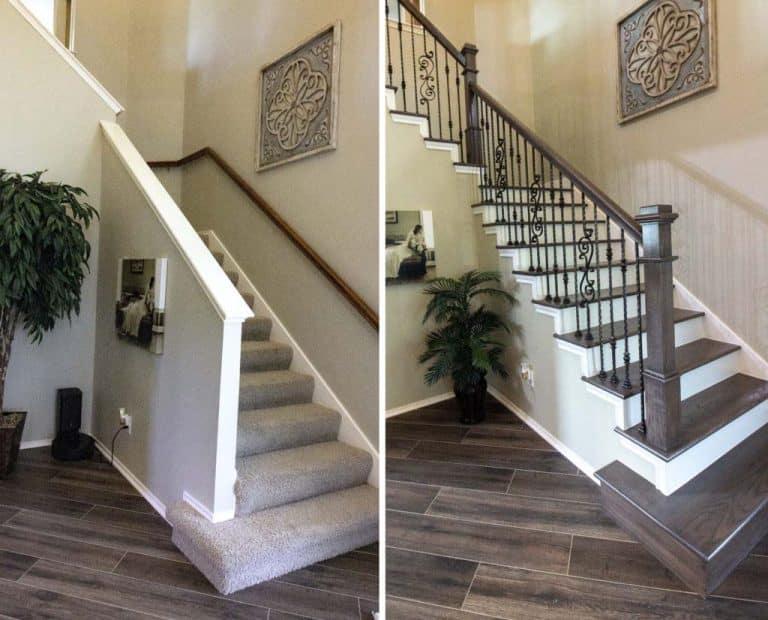
Here are some key considerations for stair renovation and remodeling.
Stairs Remodeling and Renovation Important Considerations
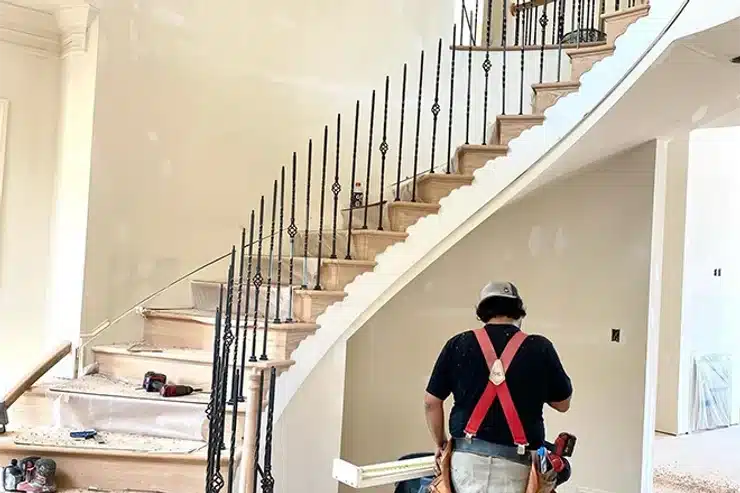
Safety
Tread Depth & Riser Height: Ensure treads are deep enough for comfortable footing and risers aren’t too high to prevent tripping.
Handrails: Install sturdy handrails on both sides of the stairs, especially if there are children or elderly individuals in the household.
Lighting: Proper lighting is crucial for safety. Consider installing lights at the top and bottom of the stairs, as well as under-stair lighting.
Non-Slip Surfaces: Use non-slip materials for treads and risers, especially if you have pets or live in a climate with wet conditions.
Structural Integrity
Inspection: Have a professional inspect the structural soundness of the stairs, including the framing, stringers, and treads.
Reinforcement: If necessary, reinforce the structure to support any changes or additional weight.
Aesthetics
Style: Consider the overall style of your home and choose materials and finishes that complement it.
Color: Paint or stain the stairs to match your desired color scheme.
Lighting: Use lighting to create a desired ambiance, whether it’s a warm and inviting glow or a modern and sleek look.
Accessories: Add decorative elements like wall sconces, artwork, or plants to personalize your staircase.
Additional Considerations
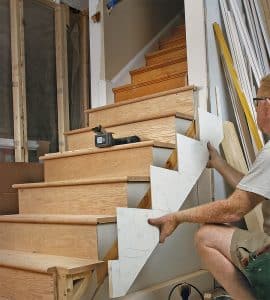
Budget: Determine your budget before starting the renovation and plan accordingly.
Permits: Check with your local building department to see if permits are required for your project.
Professional Help: Consider hiring a professional stairs contractor for complex renovations or if you’re unsure about any aspect of the project.
Here are some additional tips for specific types of renovations:
Staircase Refurbishment
Focus on updating the existing structure without major structural changes.
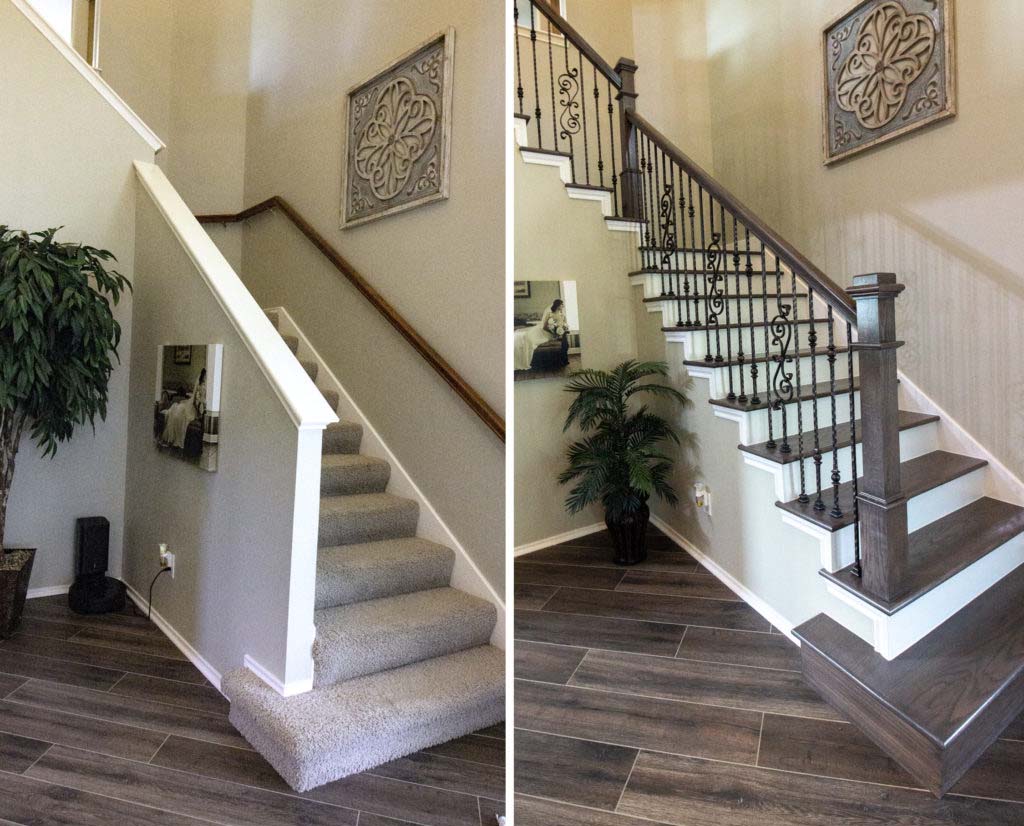
Replace worn treads, risers, and handrails.
Refinish or paint the wood for a fresh look.
Add new lighting fixtures or repaint existing ones.
Staircase Remodeling
Involves more significant changes, such as altering the layout or adding new features.
May require structural modifications, such as removing walls or adding support beams.
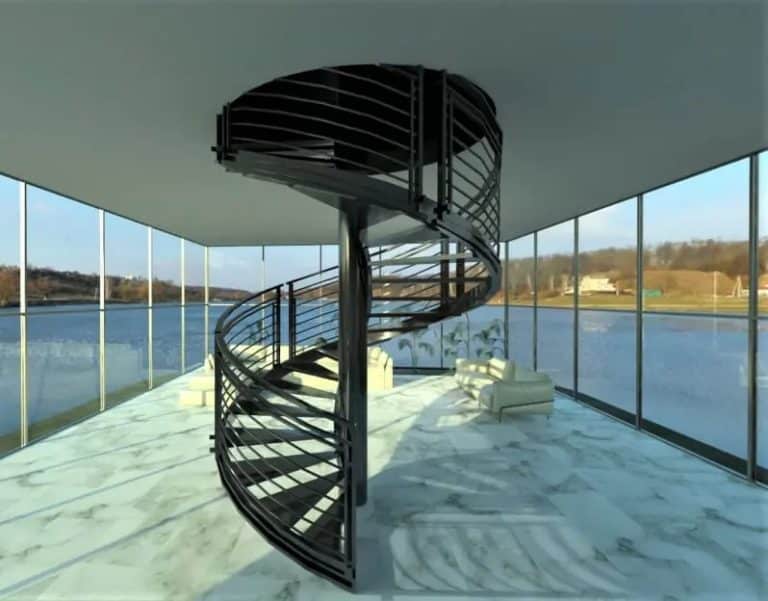
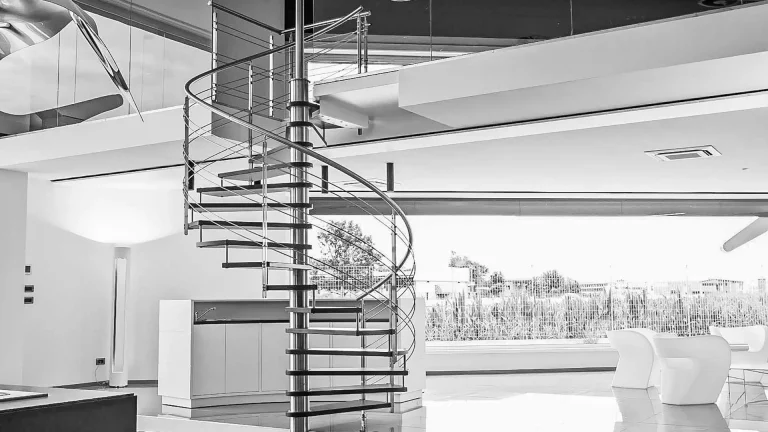
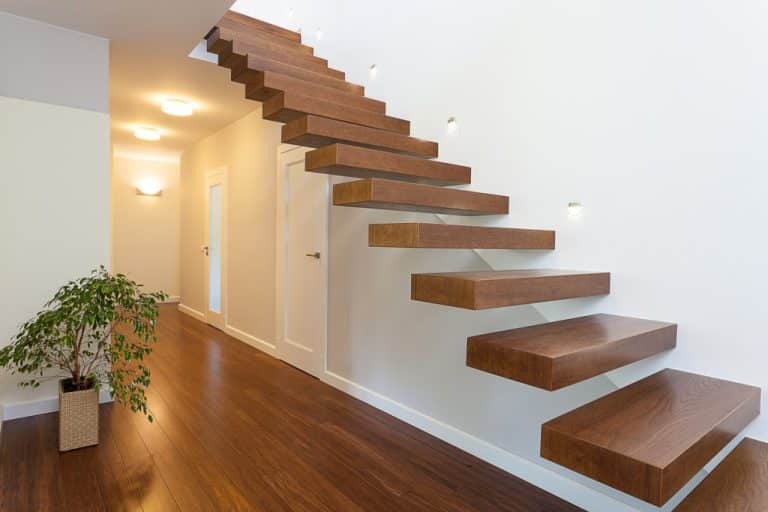
Consider options like open-riser stairs, floating stairs, or curved stairs.
Remember to prioritize safety and functionality throughout the renovation process.