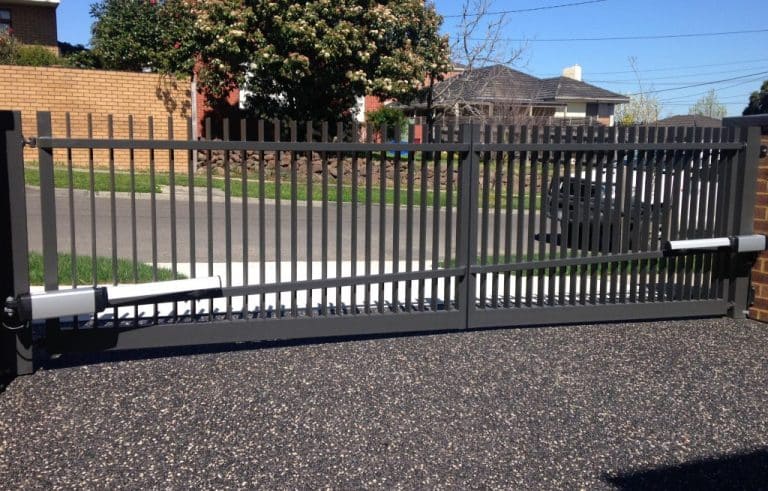
A sagging gate is more than just an eyesore; it’s a common headache for homeowners that leads to difficulty latching, scraping on the ground, and potential damage to your fence. The good news is that preventing gate sag is entirely achievable with the right techniques and materials.
In this comprehensive guide, we’ll walk you through the primary causes of gate sag and the most effective gate sag prevention methods to keep your gate swinging smoothly for years to come. Whether you’re building a new gate or repairing an old one, these gate repair tips will save you time, money, and frustration.
Why Do Gates Sag? Understanding the Enemy
Before we fix the problem, it’s crucial to understand what causes it. A gate is a heavy, cantilevered structure, meaning it’s only supported on one side. This creates immense stress on the gate hinges and posts. The main culprits behind a sagging gate are:
-
Gravity and Weight: The constant downward pull is the primary force you’re fighting.
-
Loose Hinges: Over time, the screws or bolts securing the hinges can work themselves loose.
-
Rotting Wood: If your wooden gate posts or frame are rotting, they lose their structural integrity.
-
Inadequate Post: A post that isn’t set deep or firmly enough into the ground will shift under the gate’s weight.
-
Poor Gate Design: A gate without proper diagonal bracing is inherently weak and prone to sagging.
Proactive Prevention: Building a Sag-Free Gate from the Start
An ounce of prevention is worth a pound of cure, especially when it comes to gate installation.
1. Start with a Sturdy, Well-Set Post
The gate post is the foundation of your entire gate system. If it wobbles, your gate will sag.
-
Depth: Set the post at least 2 feet deep for a standard 4-foot gate, and deeper for heavier or wider gates. A good rule of thumb is to bury one-third of the total post length.
-
Concrete Footing: Always secure the post in a concrete footing. This provides unparalleled stability and prevents frost heave and soil erosion from affecting the post.
2. Use the Right Hinges and Hardware
Don’t skimp on hardware! Using the correct gate hinges is critical for durable gate construction.
-
Weight Rating: Choose hinges rated for the weight of your gate. When in doubt, go heavier.
-
Style: For heavy wooden gates, use strap hinges or T-hinges that distribute the weight along the length of the gate frame. For lighter gates, heavy-duty butt hinges with ball bearings are sufficient.
-
Screws & Bolts: Use long, thick, corrosion-resistant screws or, even better, through-bolts with nuts. This provides a much stronger hold than standard wood screws.
3. Implement a Diagonal Brace
This is the single most important structural element for wooden gate stability. The brace should run from the bottom of the hinge side to the top of the latch side, forming a rigid triangle that transfers the gate’s weight directly to the hinges and post.
4. Choose and Protect Your Materials
-
Wood Selection: Use pressure-treated lumber or a durable wood species like cedar for outdoor gates.
-
Weatherproofing: Apply a high-quality sealant, stain, or paint to protect the wood from moisture, which causes swelling, rotting, and added weight.
Corrective Solutions: Fixing a Gate That’s Already Sagging
If your gate is already sagging, don’t despair. Here are the most effective gate sag solutions.
1. The Easy Fix: Tighten and Reinforce Hinges
First, check the simplest solution.
-
Tighten all the screws on the hinges and post.
-
If the screw holes have become stripped and won’t hold, use longer screws or fill the old holes with wooden dowels and wood glue before re-drilling.
2. The Turnbuckle and Cable Kit
This is a classic and highly effective anti-sag gate kit. It’s a reactive bracing system that allows you to “winch” your gate back into a level position.
-
How it works: A steel cable runs from the bottom of the latch side to the top of the hinge side. A turnbuckle in the middle is tightened, applying tension to pull the sagging corner up.
-
Installation: Attach the cable ends with heavy-duty eye screws. Slowly tighten the turnbuckle until the gate is level and the latch engages properly.
3. The Rigid Diagonal Brace
If your gate lacks a diagonal brace, adding one is a permanent fix.
-
Measurement: Cut a piece of wood (e.g., a 2×4) to fit diagonally across the gate’s frame from the bottom hinge corner to the top latch corner.
-
Installation: Use a gate repair bracket or notch the horizontal frame pieces so the brace sits flush. Secure it with deck screws.
4. The Ground Spike or Wheel
For gates that sag so much they scrape the ground, a gate support kit with a wheel or adjustable ground spike can provide immediate relief.
-
Adjustable Wheel: Attached to the bottom of the gate on the latch side, this wheel bears some of the weight and rolls as the gate opens and closes.
-
Ground Spike: A metal spike driven into the ground under the latch side can act as a temporary prop to hold the gate at the correct height.
Maintaining Your Gate for Longevity
Residential gate maintenance is key to preventing future issues.
-
Annual Inspection: Once a year, check for loose screws, signs of rot, and the overall squareness of the gate.
-
Lubricate Hinges: Keep hinges moving freely by applying a silicone-based lubricant.
Conclusion
A sagging gate doesn’t have to be a permanent fixture of your home. By understanding the forces at play and implementing these DIY gate repair and prevention strategies—from proper gate installation and diagonal bracing to using a turnbuckle and cable kit—you can ensure your gate remains functional, attractive, and sag-free for the long haul. A little effort now will save you from a major headache later.
Frequently Asked Questions (FAQs)
1. What is the cheapest way to fix a sagging gate?
The most cost-effective solution is to first try tightening all the hinge screws and reinforcing stripped screw holes with wooden dowels and glue. If that doesn’t work, an anti-sag turnbuckle and cable kit is an affordable and highly effective fix.
2. Can I use a regular hinge for a heavy gate?
No. Using undersized hinges is a leading cause of gate sag. Always select hinges that are specifically rated for the weight and size of your gate. For heavy gates, strap hinges are highly recommended as they distribute the load over a larger area.
3. How deep should a 4-foot wooden gate post be?
A general rule is to bury at least one-third of the post’s total length. For a 6-foot tall post supporting a 4-foot gate, you should set it at least 2 feet deep in a concrete footing for maximum stability.
4. Why is a diagonal brace so important for a gate?
A diagonal brace transforms the rectangular gate frame into a series of rigid triangles, which are geometrically stable. It transfers the downward weight of the gate from the unsupported latch side directly back to the sturdy hinge post, preventing the square frame from collapsing into a parallelogram (sagging).
5. Will a gate wheel prevent sagging?
A gate wheel is a support device, not a sag prevention device. It can help a gate that is already sagging to roll instead of scrape on the ground, but it does not address the underlying structural issue. For a permanent fix, you must address the bracing and hinge attachment to the post.